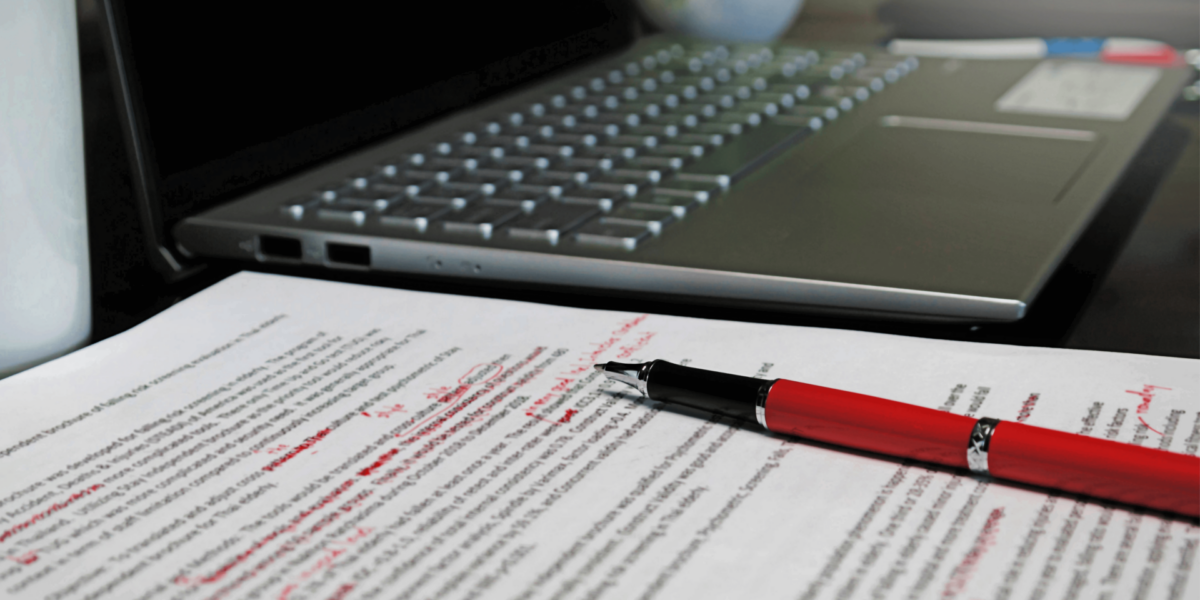
Completing a first draft is an important step, but the writing process doesn’t end there. Moving from draft to submission takes careful planning, structured review, and focused revision. Writers must shift from creating ideas to refining them.
The goal at this stage is to strengthen clarity, accuracy, and structure. Writers review their work to identify weak spots, remove unnecessary content, and improve flow. By using a checklist approach, the revision process becomes more manageable and less overwhelming.
Editing for Clarity Strengthens the Message
Clarity should be the top priority during revision. Sentences that feel too long or hard to follow often hide the main point. Editing for clarity means cutting unnecessary words, breaking up dense sentences, and choosing direct language.
Writers should aim for simple, active phrasing. Each sentence needs to communicate one idea clearly. When the reader doesn’t have to pause to understand the meaning, the content becomes stronger and more engaging.
Revising Structure Improves Flow and Logic
A strong structure helps the reader follow the writer’s argument or explanation. During revision, it’s important to check the order of ideas. Each paragraph should lead naturally to the next, and all sections must support the overall purpose.
Writers should look for missing links or repeated points. They can use clear transitions to improve how sections connect. A logical flow ensures the reader stays on track and doesn’t lose interest before reaching the conclusion.
Checking the Thesis and Topic Sentences Ensures Focus
A well-developed thesis and strong topic sentences create the backbone of a clear, organized piece. Revisiting the thesis after completing the draft helps confirm that the paper still matches its original focus—or reveals where it needs realignment.
Each paragraph should begin with a topic sentence that supports the thesis. These statements guide the reader and keep the writing consistent. Without strong topic sentences, the essay can drift or become repetitive.
Eliminating Redundancy Makes Writing More Efficient
One common issue in early drafts is repetition. Writers may explain the same point in multiple ways or include similar phrases across different paragraphs. Removing these extras tightens the content and keeps the reader engaged.
Cutting redundancy saves space and sharpens the writing. Writers should review each paragraph for repeated ideas and eliminate anything that doesn’t move the argument forward or add new value.
Grammar and Punctuation Checks Prevent Miscommunication
Errors in grammar and punctuation can distract the reader and reduce credibility. A clean, error-free draft shows attention to detail and builds trust with the audience. Writers should carefully proofread for common mistakes like run-on sentences, fragments, and incorrect punctuation.
Using tools like grammar checkers can help, but manual review remains important. Reading the draft aloud can also help catch mistakes that automated tools might miss, especially in tone and sentence rhythm.
Formatting to Guidelines Builds Professionalism
Whether writing for school, publication, or a professional setting, following format guidelines matters. Margins, font size, citation style, and spacing should match the required standards. Consistency in formatting improves readability and shows that the writer followed instructions.
A properly formatted document creates a strong first impression. Before submission, double-check section headings, page numbers, and citations to ensure they meet expectations. Errors in formatting can affect grading or acceptance.
Final Proofreading Requires Fresh Eyes
Proofreading should be the last step before submission. It requires a fresh look at the text to catch overlooked issues. Stepping away from the draft for a few hours—or even a day—helps the brain reset and improves focus during final review.
Reading slowly, line by line, helps catch missing words, extra spaces, or awkward phrasing. Writers can also print the document or change the font to see the content from a new perspective. These simple changes can improve accuracy and polish.
Preparing Submission Materials Adds the Finishing Touch
Submitting a paper or document often involves more than just uploading a file. Writers may need to include a cover page, reference list, or author note. Double-checking these details ensures that all parts of the submission meet requirements.
If submitting through an online system, review upload instructions, file formats, and naming conventions. Skipping this step can cause delays or result in a rejected submission—even if the content is strong.
Confidence Comes from a Complete Process
The final stretch of writing is not just about checking for mistakes. It’s about preparing the work for others to read, evaluate, or publish. Taking time to complete each step—editing, revising, proofreading, and formatting—builds confidence.
Writers who follow a clear process are less likely to second-guess their work. They know they’ve reviewed every section and met every requirement. This preparation leads to stronger submissions and better results.
Submitting with Purpose
Navigating the final stretch from draft to submission requires focus, structure, and care. It’s not about rewriting everything—it’s about refining what’s already there. By editing for clarity, improving structure, checking details, and following guidelines, writers move from a rough draft to a final product with purpose.
The submission should reflect the best version of the writer’s work. With preparation and a step-by-step approach, the final stage becomes a chance to polish ideas, strengthen communication, and share something truly complete.